
Introduction to MAP Kinase Signaling in the Nervous System
The human brain operates as a highly sophisticated biological communication network responsible for processing sensory information, regulating cognition, coordinating emotional responses, and maintaining behavioral adaptability. Every neuronal response depends on the accurate transmission of signals from the cell membrane to intracellular compartments, including the cytoplasm, mitochondria, synapses, and nucleus. This process, known as signal transduction, enables neurons to transform extracellular stimuli into coordinated cellular responses that influence gene expression, neuronal survival, synaptic plasticity, and long-term brain function.
In neuropsychiatric disorders such as schizophrenia, abnormalities in neuronal communication and intracellular signaling pathways contribute significantly to cognitive dysfunction, altered perception, impaired memory, and behavioral disturbances. Among the intracellular signaling systems implicated in these pathological processes, the Mitogen-Activated Protein Kinase (MAPK) signaling pathways have emerged as critical molecular regulators of neuronal physiology and brain plasticity.
MAP kinase cascades represent one of the most extensively studied signal transduction mechanisms in neuroscience and molecular biology. These pathways mediate communication between extracellular stimuli and intracellular responses, allowing neurons to adapt dynamically to environmental changes, neurotransmitter activity, neurotrophic stimulation, hormonal regulation, and cellular stress. The importance of MAPK signaling extends beyond normal neuronal activity, as dysregulation of these pathways has been associated with numerous neurological and psychiatric conditions, including schizophrenia, depression, bipolar disorder, neurodegenerative diseases, and brain injury.
A wide variety of extracellular molecules can activate MAP kinase signaling in neurons. These include neurotransmitters such as dopamine, serotonin, glutamate, and acetylcholine, as well as neurotrophins, growth factors, cytokines, hormones, nitric oxide, and cellular stress mediators. Once activated, MAP kinases translocate into the nucleus, where they regulate transcription factors and immediate early genes involved in neuronal adaptation, differentiation, synaptic remodeling, and long-term changes in brain circuitry.
The activation of MAP kinase pathways initiates complex molecular cascades capable of altering neuronal morphology, modifying cytoskeletal organization, regulating protein synthesis, and influencing synaptic connectivity. These processes are fundamental for learning, memory formation, emotional regulation, and neuronal plasticity. Consequently, disturbances in MAPK signaling may contribute directly to the neuropathological mechanisms underlying psychiatric disorders.

Mitogen-Activated Protein Kinase Cascades
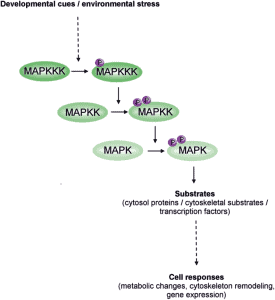
MAP kinases belong to a highly conserved family of serine/threonine protein kinases expressed throughout eukaryotic organisms. In mammalian cells, MAP kinase signaling pathways are organized into hierarchical phosphorylation cascades involving three sequential kinase components:
- MAP kinase kinase kinase (MAPKKK)
- MAP kinase kinase (MAPKK)
- MAP kinase (MAPK)
This multistep signaling architecture allows extracellular signals to be amplified, integrated, and precisely regulated before reaching downstream transcriptional targets.
Three principal MAP kinase families dominate neuronal signaling:
- Extracellular Signal-Regulated Kinases (ERK)
- c-Jun N-terminal Kinases (JNK)
- p38 MAP Kinases
Each signaling branch responds to distinct extracellular stimuli and regulates specific cellular functions.
Extracellular Signal-Regulated Kinase (ERK) Pathway
The ERK signaling cascade represents one of the most important intracellular pathways involved in neuronal survival, differentiation, synaptic plasticity, and cognitive function. ERK1 and ERK2 are the most extensively studied isoforms and are broadly expressed throughout the central nervous system.
Activation Mechanisms of ERK Signaling
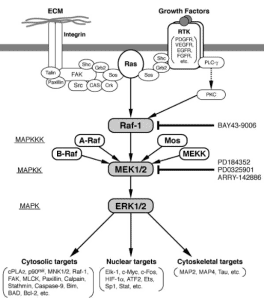
ERK activation typically occurs through receptor tyrosine kinases (RTKs) and G-protein-coupled receptors (GPCRs). Growth factors, neurotrophins, and neurotransmitters stimulate membrane receptors, triggering recruitment of adaptor proteins such as:
- Shc
- Grb2
- SOS (Son of Sevenless)
These molecules activate Ras-family GTPases, including:
- H-Ras
- K-Ras
- N-Ras
- Rap1
Activated Ras subsequently stimulates Raf kinases, including A-Raf, B-Raf, and c-Raf-1, which phosphorylate MEK1/2. MEK proteins then activate ERK1/2 through dual phosphorylation.
Ras→Raf→MEK1/2→ERK1/2
Once activated, ERK proteins migrate into the nucleus and regulate transcription factors involved in neuronal adaptation and gene expression.
Physiological Functions of ERK in Neurons
ERK signaling participates in numerous neuronal processes, including:
- Synaptic plasticity
- Long-term potentiation (LTP)
- Memory consolidation
- Learning
- Cell differentiation
- Neuronal survival
- Protein synthesis
- Axonal development
Research has demonstrated that ERK activation is essential for long-term memory formation and cognitive adaptation. In hippocampal neurons, ERK regulates transcriptional programs necessary for persistent synaptic strengthening and neuronal remodeling.
ERK signaling is also implicated in emotional learning, fear conditioning, taste memory consolidation, and spatial memory formation. Dysfunctional ERK activation may therefore contribute to cognitive impairment observed in schizophrenia and other psychiatric illnesses.
C-Jun N-Terminal Kinase (JNK) Pathway
The JNK pathway is primarily activated in response to cellular stress, inflammatory mediators, and environmental insults. JNK proteins are often referred to as stress-activated protein kinases (SAPKs) due to their strong association with cellular stress responses.
JNK Activation Mechanisms
JNK activation occurs through multiple upstream signaling molecules, including:
- Cytokine receptors
- Growth factor receptors
- GPCRs
- Stress stimuli
- Reactive oxygen species
Unlike ERK signaling, JNK activation heavily depends on the Rho family of small GTPases:
- Rac
- Rho
- Cdc42
These molecules stimulate MAPKKKs such as:
- MEKK1
- ASK1
- MLKs
- TAK1
Subsequent phosphorylation activates MKK4/7, which then activate JNK proteins.
Rho/Rac/Cdc42→MEKK1→MKK4/7→JNK

Biological Functions of JNK
JNK signaling plays major roles in:
- Apoptosis
- Cellular stress responses
- Inflammation
- Immune regulation
- Development
- Neuronal degeneration
JNK activation has been strongly associated with neuronal cell death mechanisms. Excessive activation may contribute to neurodegenerative processes and pathological brain remodeling.
Three JNK isoforms have been identified:
- JNK1
- JNK2
- JNK3
JNK3 is predominantly expressed in neuronal tissues and is highly implicated in neuronal stress responses.
p38 MAP Kinase Pathway
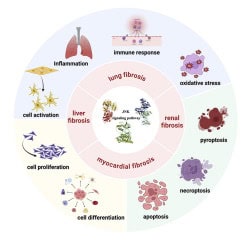
The p38 MAP kinase pathway is another stress-responsive signaling system activated by inflammatory cytokines, oxidative stress, ultraviolet radiation, osmotic stress, and toxic cellular insults.
Activation Cascade of p38 MAP Kinase
The p38 signaling pathway involves multiple upstream kinases and small GTPases similar to JNK signaling.
Stress Signals→ASK1/TAK1/MLKs→MKK3/6→p38
Four major p38 isoforms have been identified:
- p38α
- p38β
- p38γ
- p38δ
Functions of p38 Signaling
p38 MAP kinase regulates:
- Apoptosis
- Inflammatory signaling
- Immune responses
- Cellular stress adaptation
- Cytokine production
- Neuronal injury responses
Although p38 signaling is frequently associated with neuronal degeneration, some evidence suggests its participation in differentiation and tissue remodeling under specific physiological conditions.
MAP Kinase Phosphatases (MKPs)
MAP kinase activity is tightly regulated by MAP kinase phosphatases (MKPs), which function as negative feedback regulators. These dual-specificity phosphatases remove phosphate groups from activated MAP kinases, thereby terminating intracellular signaling.
Different MKPs exhibit selective substrate specificity:
- MKP-1 primarily regulates nuclear MAPKs
- MKP-3 strongly targets ERK2
- MKP-4 functions in both nucleus and cytoplasm
Alterations in MKP expression can significantly disrupt neuronal signaling homeostasis and may contribute to pathological conditions including schizophrenia.
Transcription Factors Regulated by MAP Kinases
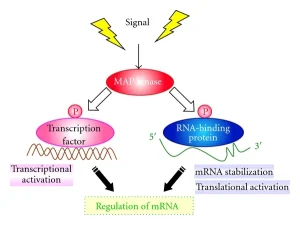
A fundamental role of MAP kinase pathways is the regulation of transcription factors controlling neuronal gene expression.
Important transcriptional targets include:
- CREB
- AP-1
- c-Fos
- c-Jun
- Elk-1
- ATF-2
- STAT proteins
MAP kinase activation leads to phosphorylation of these transcription factors, initiating expression of genes involved in:
- Synaptic remodeling
- Neurotransmitter regulation
- Memory formation
- Cell survival
- Neuronal differentiation
CREB and Long-Term Memory Formation
CREB (cAMP response element-binding protein) is one of the most critical transcription factors involved in long-term memory consolidation and neuronal plasticity.
ERK→CREB→Gene Expression→Long-Term
Experimental evidence demonstrates that CREB-mediated transcription is essential for stable memory formation across multiple species.
MAP Kinases in the Central Nervous System
MAP kinase pathways are abundantly expressed throughout the central nervous system and are differentially activated during both physiological and pathological events.
ERK Signaling in Brain Plasticity
ERK1 and ERK2 are strongly expressed in postmitotic neurons and are involved in:
- Synaptic strengthening
- Neurotransmission
- Learning
- Memory consolidation
- Long-term potentiation (LTP)
- Long-term depression (LTD)
ERK activation is required for hippocampal plasticity and adaptive neuronal responses following environmental stimulation.
JNK and p38 in Neuronal Injury
JNK and p38 pathways are commonly activated following:
- Brain ischemia
- Oxidative stress
- Neurotoxicity
- Inflammatory responses
- Traumatic brain injury
Excessive activation of these stress pathways may contribute to neuronal apoptosis and neurodegeneration.

MAP Kinase Signaling in Schizophrenia
Schizophrenia is a complex neuropsychiatric disorder characterized by abnormalities in cognition, perception, emotional processing, and executive functioning. Increasing evidence suggests that dysregulated intracellular signaling pathways contribute significantly to disease pathophysiology.
Neurotransmitter Systems and MAPK Dysregulation
Several neurotransmitter systems implicated in schizophrenia activate MAP kinase cascades, including:
- Dopaminergic signaling
- Glutamatergic signaling
- Serotonergic pathways
- GABAergic neurotransmission
- Cholinergic systems
Abnormal activation of these systems may disrupt MAPK-mediated neuronal communication and gene regulation.
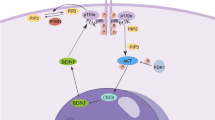
ERK Pathway Alterations in Schizophrenia
Postmortem studies have demonstrated abnormal ERK pathway activity in schizophrenia, particularly in:
- Cerebellum
- Thalamus
- Frontal cortex
Elevated ERK2 expression has been identified in schizophrenic brain tissue, whereas ERK1 levels often remain unchanged. Upstream signaling molecules such as MEK and c-Raf are also increased, suggesting widespread dysregulation of the ERK signaling cascade.
Simultaneously, decreased expression of MAP kinase phosphatases such as MKP-2 may contribute to sustained ERK hyperactivation.
Transcriptional Abnormalities
Schizophrenic brains exhibit increased expression of several transcription factors downstream of ERK signaling, including:
- CREB
- Elk-1
- ATF-2
- c-Jun
- c-Fos
These abnormalities may alter neuronal gene expression patterns associated with cognition, emotional regulation, and synaptic organization.
Phencyclidine (PCP) Model and MAP Kinase Activation
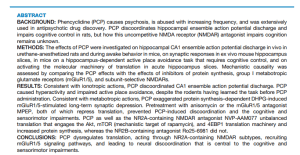
The NMDA receptor antagonist phencyclidine (PCP) induces schizophrenia-like symptoms and is widely used as an experimental animal model for psychosis.
Chronic PCP administration in rodents causes:
- ERK hyperactivation
- MEK activation
- Altered cerebellar signaling
- Cognitive dysfunction
Interestingly, these molecular abnormalities resemble those observed in postmortem schizophrenic brain tissue, supporting the hypothesis that disrupted ERK signaling contributes to schizophrenia pathogenesis.
MAP Kinases in Depression and Bipolar Disorder
MAP kinase dysregulation is not limited to schizophrenia. Studies suggest involvement of ERK signaling abnormalities in:
- Major depressive disorder
- Bipolar disorder
- Stress-related psychiatric conditions
Depression has been associated with reduced ERK activity in:
- Hippocampus
- Prefrontal cortex
- Brodmann areas involved in cognition and emotional regulation
In contrast, schizophrenia appears to demonstrate region-specific ERK dysregulation, particularly involving cerebellar circuitry.
Clinical and Therapeutic Implications of MAP Kinase Signaling
Understanding MAP kinase signaling abnormalities offers important opportunities for future psychiatric therapeutics.
Potential clinical applications include:
- Molecular biomarkers for psychiatric disorders
- Targeted kinase inhibitors
- Neuroprotective therapies
- Precision medicine approaches
- Modulation of synaptic plasticity
Selective MAP kinase inhibitors may eventually help normalize abnormal intracellular signaling in psychiatric disease while preserving physiological neuronal function.

Future Perspectives
Current research increasingly demonstrates that MAP kinase signaling pathways occupy a central position in neuronal communication, brain plasticity, memory formation, and psychiatric disease mechanisms. Despite substantial progress, many aspects of MAPK regulation in the human brain remain incompletely understood.
Future investigations must clarify:
- Regional specificity of MAPK dysregulation
- Cross-talk between ERK, JNK, and p38 pathways
- Long-term effects of altered kinase signaling
- Genetic contributors to pathway dysfunction
- Therapeutic targeting strategies
Advances in molecular neuroscience, neuropharmacology, and psychiatric genomics are expected to further uncover the role of MAP kinase signaling in schizophrenia and other neuropsychiatric disorders.
Ultimately, targeting intracellular signaling pathways such as MAPK cascades may provide innovative therapeutic strategies capable of improving cognition, emotional regulation, and neuronal function in psychiatric disease.